


builtinovens9419
About builtinovens9419
The 10 Most Terrifying Things About Built In Range Oven
The Complete Guide to Built-In Range Ovens
Built-in range ovens have actually become an important function in modern-day kitchen areas, providing a combination of style, effectiveness, and benefit. With various options offered in the market, comprehending what to try to find in a built in range oven (check out this blog post via www.aroskybuildcon.com)-in range oven can assist homeowners make informed choices tailored to their cooking needs. This extensive guide will check out built-in range ovens, their benefits, types, functions to think about, installation guidelines, and more.
What is a Built-In Range Oven?
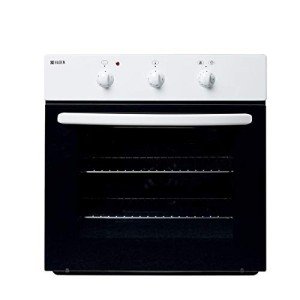
A built-in range oven, sometimes described as a wall oven or built-in oven, is a kitchen device integrated directly into the cabinetry. Unlike freestanding models that come with a connected cooktop, built-in ovens usually work independently of the cooking surface. They supply a seamless, updated visual to cooking areas, improving the total style while taking full advantage of area.
Benefits of Built-In Range Ovens
Built-in range ovens use several advantages over other kinds of ovens:
- Aesthetic Appeal: These ovens can be designed to match the cabinets design and color, offering the kitchen a harmonious and modern look.
- Space-Saving Design: Built-in ovens totally free up counter space, making them perfect for smaller sized cooking areas or homes with open flooring strategies.
- Versatile Cooking Options: Many built-in ovens included a variety of cooking modes such as convection, steam, and rotisserie, supplying versatility for various cooking designs.
- Improved Accessibility: Installed at eye level, built-in ovens can be more practical to load and discharge without flexing over or crouching.
- Energy Efficiency: Many modern-day built-in ovens featured energy-saving modes that reduce electricity consumption.
Types of Built-In Range Ovens
There are several types of built-in range ovens to consider:
1. Electric Built-In Ovens
Electric built-in ovens are powered by electricity and generally provide more consistent cooking results. They are simple to install and frequently included features such as self-cleaning options, digital controls, and different cooking modes.
2. Gas Built-In Ovens
Gas built-in ovens utilize natural gas or lp as a fuel source. Lots of chefs prefer gas ovens for their instant heat control and capability to reach heats quickly.
3. Convection Ovens
Convection built-in ovens distribute hot air with a fan to prepare food more evenly. They can reduce cooking times and are perfect for baking and roasting.
4. Wall Ovens
Wall ovens are a particular type of built-in range oven that is vertically set up into the wall cabinets. They can frequently be matched with a different cooktop or microwave.
5. Steam Ovens
Steam-built-in ovens cook food utilizing steam, protecting nutrients and flavors. They are exceptional for health-conscious cooking and can also be used for reheating.
| Type | Key Features | Suitable For |
|---|---|---|
| Electric | Consistent cooking, self-cleaning | Baking and daily cooking |
| Gas | Immediate heat control | Accuracy cooking, high heat |
| Convection | Hot air blood circulation | Baking and roasting |
| Wall | Vertical installation | Space-saving kitchen designs |
| Steam | Nutrient conservation | Health-conscious cooking |
Secret Features to Consider
When selecting a built-in range oven, think about the following features:
1. Size and Capacity
Step the setup area carefully to choose the right size. Built-in ovens usually can be found in standard sizes, such as 24”, 27”, or 30”. Capability likewise matters; larger ovens can accommodate more meals, making them ideal for families or those who frequently entertain.
2. Cooking Modes and Functions
Different built-in ovens use a range of cooking modes. Try to find alternatives like:
- Conventional baking
- Convection baking
- Broiling
- Roasting
- Steaming
3. Controls and Smart Features
Modern built-in ovens typically feature digital controls or wise features that enable exact temperature adjustments and cooking times. Some designs are geared up with Wi-Fi abilities for remote operation by means of an app.
4. Style and Finish
Choose a style that matches your kitchen visual appeals. Available surfaces include stainless-steel, black, white, or custom cabinets panel-ready models to seamlessly blend with the kitchen decor.
5. Self-Cleaning Options
Lots of built-in ovens offer self-cleaning features that simplify maintenance. This can save time and effort in keeping the home appliance in optimal condition.

Setup Guidelines
Setting up a built-in range oven needs factor to consider for ventilation, electrical supply, and proper measurements. Here is a streamlined installation process:
- Preparation: Measure the space and ensure sufficient clearance for door and drawer operation.
- Electrical and Gas Connections: Ensure your home has the required electrical supply or gas lines. It’s recommended to have a licensed expert deal with gas connections or complex electrical configurations.
- Ventilation: Some ovens might require external ventilation. Ensure the kitchen design accommodates appropriate air flow.
- Positioning: Mount the oven firmly within the cabinetry, following the producer’s guidelines to avoid getting too hot or insufficient assistance.
Regularly Asked Questions (FAQs)
1. What’s the difference between a built-in oven and a freestanding oven?
Built-in ovens are set up into the kitchen cabinetry and do not feature a cooktop, while freestanding ovens are self-contained with an integrated cooktop. Built-ins generally use a more streamlined appearance however might take more effort to set up.
2. Are built-in range ovens energy-efficient?
Yes, many contemporary built-in range ovens are created to be energy-efficient, featuring energy-saving modes and much better insulation compared to older designs.
3. Just how much do built-in range ovens cost?
Rates for built-in range ovens can range commonly based upon brand, functions, and size. Fundamental models can begin around ₤ 800, while high-end models can exceed ₤ 3,000.
4. Can I set up a built-in oven myself?
While some helpful house owners may attempt setup, it is often best to hire an expert to make sure security and compliance with building codes, especially for gas connections.
A built-in range oven can substantially boost a kitchen’s functionality and looks. With a range of options, features, and designs, homeowners have the chance to select a system that meets their cooking needs while ensuring a seamless style. Investing in a high-quality built-in range oven can assist raise culinary experiences, leading the way for tasty meals and remarkable events. When considering a new build or a remodelling, incorporating a built-in range oven is a sensible decision for modern kitchen areas.
No listing found.