


lizziecolorado
About lizziecolorado
How to Buy Gold: A Comprehensive Guide
Buying gold can be a smart investment decision for individuals looking to diversify their portfolio, hedge against inflation, or simply own a tangible asset. However, the process of buying gold can be overwhelming for first-time buyers. This article aims to provide a detailed observational guide on how to buy gold, covering various aspects such as types of gold, where to buy, and important considerations to keep in mind.
Understanding the Types of Gold
Before diving into the purchasing process, it’s essential to understand the different types of gold available in the market. Gold can be categorized into several forms, including:

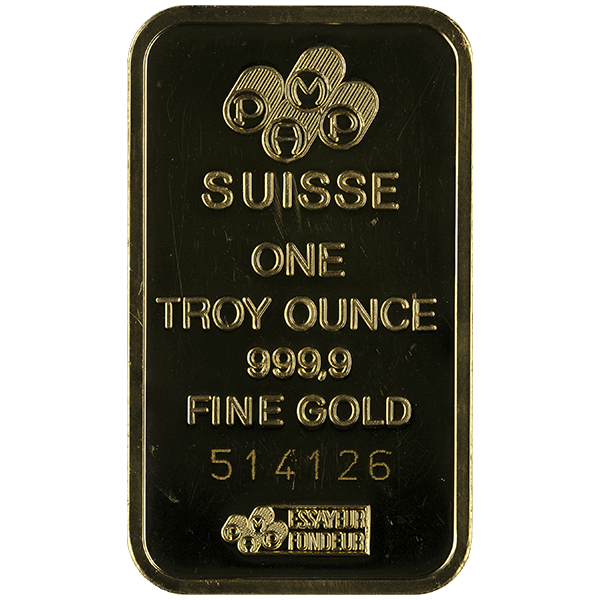
- Gold Bullion: This is the most common form of gold investment. Bullion is typically available in bars or coins and is valued based on its weight and purity. The most common gold bullion coins include the American Gold Eagle, Canadian Gold Maple Leaf, and South African Krugerrand.
- Gold Jewelry: While jewelry can be a beautiful way to own gold, it is often not the best investment option. The price of jewelry includes craftsmanship and design, which can significantly increase its cost beyond the intrinsic value of the gold itself.
- Gold ETFs (Exchange-Traded Funds): For those who prefer a more liquid investment, gold ETFs allow investors to buy shares that represent a specific amount of gold. This option is ideal for those who want to invest in gold without the hassle of storage and security.
- Gold Mining Stocks: Investing in companies that mine gold can be another way to gain exposure to the gold market. However, this approach involves more risk as it is tied to the company’s performance and operational risks rather than the gold price itself.
Where to Buy Gold
Once you have decided on the type of gold you want to purchase, the next step is to determine where to buy it. There are several options available:
- Local Coin Shops: Visiting a local coin shop can provide a personal touch to your gold buying experience. You can physically inspect the gold and ask questions. However, prices may vary, and it’s essential to compare rates.
- Online Dealers: Numerous reputable online dealers offer gold bullion, coins, and bars. Buying online can often provide better prices due to lower overhead costs. However, it is crucial to research the dealer’s reputation and read customer reviews before making a purchase.
- Banks: Some banks offer gold bullion and coins for sale. However, availability may be limited, and prices may not be as competitive as those found in specialized dealers.
- Auctions and Estate Sales: Occasionally, you can find gold items at auctions or estate sales. While this can be an opportunity to purchase gold at a lower price, it requires knowledge and experience to ensure you are making a sound investment.
Key Considerations When Buying Gold
When purchasing gold, several important factors should be considered:
- Purity and Weight: Gold is measured in karats (K) or fineness. Pure gold is 24K, while 18K gold contains 75% gold and 25% other metals. Ensure that you are aware of the purity of the gold you are buying, as it directly affects its value.
- Market Price: Gold prices fluctuate based on market conditions. It’s advisable to stay informed about current gold prices before making a purchase. Websites like Kitco and GoldPrice provide real-time updates on gold prices.
- Premiums and Fees: When buying gold, be aware of any premiums or fees added to the market price. These can include dealer markups, shipping costs, and taxes. Understanding these costs will help you make a more informed decision.
- Storage and Security: If you are purchasing physical gold, consider how you will store it securely. Options include safe deposit boxes at banks, home safes, or professional vault services. Ensure that your gold is adequately insured to protect against theft or loss.
- Resale Value: Before buying gold, consider how easily you can sell it in the future. Certain types of gold, such as coins and bullion, may have a higher resale value compared to jewelry. Research the liquidity of the gold type you choose to invest in.
Making the Purchase
Once you have done your research and are ready to make a purchase, follow these steps:
- Compare Prices: Whether buying from a local dealer or an online retailer, compare prices from multiple sources. This will help ensure that you are getting a fair deal.
- Ask Questions: Don’t hesitate to ask the dealer questions about the gold, including its purity, weight, and any associated fees. A reputable dealer will be happy to provide you with the information you need.
- Get a Receipt: Always request a receipt when you make a purchase. This document should include details such as the type of gold, weight, purity, and the price paid. A receipt is essential for future resale or insurance purposes.
- Verify Authenticity: If buying physical gold, consider having it authenticated by a professional to ensure that it is genuine. This step is particularly important for high-value purchases.
- Keep Records: Maintain detailed records of your gold purchases, including receipts and any appraisals. This information will be valuable for future reference, especially for tax purposes.
Conclusion
Buying gold can be a rewarding investment if approached with the right knowledge and preparation. By understanding the types of gold available, knowing where to buy, and considering essential factors such as purity, market prices, and resale value, you can make informed decisions that align with your financial goals. If you have any questions with regards to wherever and how to use buynetgold, you can call us at our own web-site. Whether you are looking to invest for the long term or simply want to own a piece of this precious metal, following these guidelines will help ensure a successful gold buying experience.
No listing found.