


powertoolsuk0076
About powertoolsuk0076
See What Powertool Tricks The Celebs Are Making Use Of
The Essential Guide to Power Tools: Understanding Their Importance, Types, and Safety
Power tools have transformed the way we approach construction, woodworking, and numerous DIY tasks. From electrical drills to reciprocating saws, these tools decrease effort and make the most of performance, making them essential for both specialists and home lovers. In this detailed guide, we will check out the various types of power tools, their applications, precaution, and suggestions for maintenance.
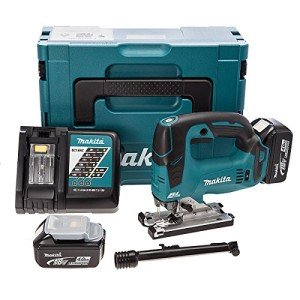
Understanding Power Tools
Power tools are defined as tools that are powered by an external source, which can be electrical, pneumatic, or battery-operated, instead of manual tools that rely on human strength. The advancement of power tools has considerably increased productivity in different fields, Cheapest Power Tools Online (git.dotb.cloud) allowing users to accomplish tasks in a portion of the time it would take with conventional hand tools.
Table 1: Types of Power Tools
| Type | Power Tools Prices Source | Common Uses |
|---|---|---|
| Corded Electric | Electrical power | Drilling, cutting, sanding |
| Cordless Electric | Battery | Drilling, effect driving, sawing |
| Pneumatic | Compressed Air | Nailing, sanding, painting |
| Hydraulic | Hydraulic Fluid | Heavy-duty applications |
| Gas-Powered | Fuel | Outdoor landscaping, building and construction |
Popular Types of Power Tools
1. Drills
Drills are possibly the most commonly used power tools in both expert and home settings. They can be found in different kinds, consisting of:
- Corded Drills: Provide constant power and are ideal for durable jobs.
- Cordless Drills: Offer portability and convenience for light to medium tasks.
2. Saws
Power saws are vital for cutting through a range of products. Common types consist of:
- Circular Saws: Used for straight cuts in wood, metal, and plastic.
- Reciprocating Saws: Ideal for demolition and cutting in tight spaces.
- Miter Saws: Perfect for making accurate angled cuts.
3. Sanders
Sanders are used to smooth surface areas and prepare them for ending up. The most popular types consist of:
- Orbital Sanders: Great for light sanding tasks.
- Belt Sanders: Best Prices On Power Tools for getting rid of material rapidly and effectively.
4. Nail Guns
Nail guns automate the nailing procedure and save considerable time on framing, roofing, and finishing projects. They can be powered by electricity or compressed air.
5. Mills
Mills are flexible tools that are utilized for grinding, cutting, and polishing metal and masonry. They are available in various types, such as angle grinders and bench mills.
6. Effect Drivers
Effect motorists are developed for driving screws and bolts with high torque and very little effort. They are especially useful in building and assembly tasks.
Safety Guidelines for Using Power Tools
While power tools make work much easier, they can likewise posture security risks if not utilized correctly. Here are essential security standards to follow:
- Wear Protective Gear: Always use safety glasses, ear security, and gloves when running power tools.
- Check out Manuals: Familiarize yourself with the tool’s manual before use to comprehend its functions and safety functions.
- Inspect Tools: Regularly inspect your tools for any signs of wear or damage, such as torn cords or broken parts.
- Keep Workspaces Clean: Maintain a neat office to prevent mishaps and make sure simple access to tools.
- Usage Tools for Their Intended Purpose: Avoid using tools for jobs they were not designed for, as this can cause injury or damage.
Table 2: Safety Gear Checklist
| Product | Purpose |
|---|---|
| Shatterproof glass | Safeguard eyes from particles |
| Ear Protection | Guard against noise-induced hearing loss |
| Gloves | Prevent cuts, scrapes, and abrasions |
| Dust Masks | Filter inhalation of hazardous particles |
| Steel-toed Boots | Guard feet from heavy falling things |
Maintenance Tips for Power Tools
Appropriate maintenance will prolong the life of power tools and keep them working at their best. Here are essential maintenance tips for power tool users:
Clean Your Tools Regularly: Dust and particles can hinder tool efficiency. Clean the outside and interior (if available) after each use.
Lubricate Moving Parts: Regularly lube moving parts to make sure smooth operation.
Store Properly: Store tools in a dry, secure location to avoid rust and damage.
Look For Professional Help for Repairs: If a tool requires significant repair, consult a professional rather than trying to fix it yourself.
Often Asked Questions (FAQ)
1. What is the most necessary power tool for DIY projects?
A cordless drill is typically considered the most flexible and essential power tool for DIY projects due to its wide variety of applications.
2. Are power tools safe for novices?
Yes, as long as the user follows safety preventative measures, reads the handbook, and begins with simpler tools to build experience.
3. How typically should power tools be serviced?
It is suggested to inspect power tools after every considerable usage. A complete maintenance should be done every year or as needed based upon frequency of use.
4. Can I use power tools in wet conditions?
Many power tools are not developed for use in wet conditions. Always refer to the manufacturer’s directions concerning suitable use conditions.
5. What is the distinction in between a power tool and a hand tool?
Power tools are powered by an external source, while hand tools rely solely on human effort for operation.
Power tools are a vital possession in any workshop, improving efficiency and accuracy in various tasks. Comprehending the types of power tools offered, adhering to security guidelines, and performing regular upkeep will ensure that users can utilize their capabilities totally and Powertool) safely. By purchasing the right tools and practicing accountable use, both specialists and DIY lovers can attain impressive lead to their projects.
No listing found.